
The Role of Luck in Casino Games
Luck is often portrayed as a critical element in casino games, where outcomes rely heavily on chance rather than skill. This randomness creates an enticing atmosphere that attracts players from various backgrounds, all hoping to strike it rich. In games like slots or roulette, results are entirely random, determined by a combination of probability and chance. This means that, at least in theory, anyone can experience a streak of good luck or misfortune while using platforms like 1win , significantly affecting their overall success in the casino environment.
Furthermore, players frequently seek evidence of luck influencing their outcomes. Anecdotal examples abound; stories of individuals hitting large jackpots or winning significant hands often fuel a belief in luck’s ability to sway results. The excitement of such narratives creates a captivating allure that keeps players engaged, leading them to return in hopes of recapturing a lucky moment. Consequently, the belief in luck acts as a powerful motivator, driving people to gamble despite the inherent risks involved.
However, relying solely on luck can be perilous. Many seasoned players emphasize the importance of understanding the odds and strategies behind each game. This draws attention to the notion that while luck undeniably plays a role, informed decision-making and strategy can also significantly influence success. Thus, while luck certainly contributes to casino experiences, it is vital not to overlook the importance of knowledge and skill in maximizing one’s chances of winning consistently.
The Impact of Skill and Strategy
While luck has its place, the role of skill and strategy in casino games cannot be underestimated. In games such as poker or blackjack, players’ decisions profoundly impact outcomes. A skilled player can employ strategies that enhance their winning chances, making skill a crucial factor in the long-term success of a gambler. For instance, poker requires an understanding of probability, psychology, and careful bankroll management, allowing astute players to navigate the game more effectively than those relying solely on luck.
Moreover, strategic play amplifies the effects of luck when it does occur. A player who understands optimal betting strategies can capitalize on fortunate scenarios, thereby increasing overall profitability. The skillful assessment of risk and reward is vital, allowing players to make educated decisions about when to bet high or fold, which can significantly enhance their gaming experience and outcomes over time. This dynamic interplay between luck and skill is what makes games like poker so engaging and rewarding.

Interestingly, the balance between luck and skill varies greatly between different games. While table games often highlight the significance of strategy, games like slots are predominantly luck-based. As such, players need to choose their games wisely, aligning their skill set with the nature of each game to maximize their potential for success. This underscores the need for a holistic approach, recognizing that both luck and skill play integral roles in shaping the casino experience.
Cognitive Bias and the Perception of Luck
The concept of luck in casinos is often influenced by cognitive biases that distort how players perceive winning and losing. The gambler’s fallacy, for instance, leads individuals to believe that past events impact future outcomes, prompting them to chase losses or bank on a winning streak. This psychological aspect of gambling can cloud judgment, causing players to act irrationally based on the desire to turn bad luck into good. Understanding these biases is critical in managing expectations and maintaining a rational approach to gambling.
Another notable effect is the concept of “hot” and “cold” streaks, where players attribute outcomes to luck rather than the inherent odds of the game. This can lead to an inflated sense of confidence following a win, causing players to increase their stakes, ultimately risking more than they can afford. Recognizing these biases helps players remain grounded in reality and assists in developing effective strategies to approach the gaming experience. By mitigating the influence of cognitive biases, players can make more rational decisions regarding their gaming activities.
However, it’s essential to acknowledge that while cognitive biases can negatively impact decision-making, they also contribute to the thrill of gambling. The belief in luck fuels excitement, forming a significant part of what makes casinos attractive. The potential for unexpected wins adds to the allure, creating a dynamic environment that engages players on multiple levels, even as they navigate the complexities of luck and strategy. This duality is what keeps players returning to the gaming floor, eager to experience the highs and lows of chance.
The Social Aspects of Gambling and Luck
The social environment of a casino can significantly influence players’ perceptions of luck. When surrounded by fellow gamblers, the shared experiences of winning and losing create a communal atmosphere that enhances the thrill of the game. Players often draw upon the energy from those around them, amplifying their belief in luck. The infectious nature of excitement can lead to a heightened sense of possibility, as people share their stories of fortunate outcomes, bolstering the notion that luck is a tangible force within the casino environment.
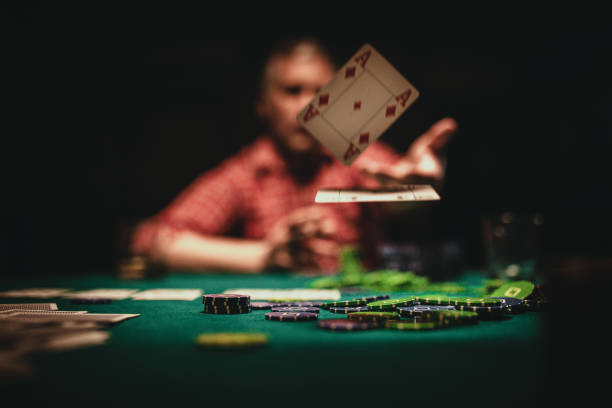
Moreover, social interactions can lead to group dynamics that further shape perceptions of luck. When watching friends win, it’s common for individuals to feel hopeful about their chances, believing that good fortune can spread among the group. This phenomenon can instill a sense of optimism, reinforcing the idea that luck can be contagious. As players engage with one another about strategies or recount past wins, they create a shared narrative that intertwines luck with social bonds, enhancing the overall casino experience.
However, this social aspect can have its pitfalls as well. It may encourage reckless behavior or excessive spending, as the thrill of the moment and the presence of friends can lead individuals to take risks they might not otherwise consider. Thus, while the social dimension enriches the experience and celebrates the role of luck, it also necessitates responsible gambling practices to ensure that the experience remains enjoyable and does not spiral into negative consequences. Balancing social enjoyment with personal responsibility is key to a fulfilling casino experience.
Embracing Luck and Strategy for a Balanced Approach
Understanding the dual role of luck and skill allows players to navigate the casino experience more effectively. Embracing the excitement that comes from luck while simultaneously applying well-thought-out strategies provides a balanced approach. Recognizing that not every hand or spin will result in success is crucial, and accepting the role of chance can lead to a more enjoyable experience overall. This mindset fosters resilience and prepares players for the inherent ups and downs of gambling.
Additionally, players should set realistic expectations about their gaming experiences. By acknowledging that luck can fluctuate and isn’t always on their side, they can approach the casino with a healthier perspective. This balance helps in managing bankrolls more prudently and allows players to savor the thrill of the game without falling into the traps of emotional decision-making. Setting limits and sticking to them can significantly enhance the overall enjoyment of the gaming experience.
Ultimately, the casino experience is deeply woven into the fabric of luck and strategy. Finding joy in the randomness of luck while grounding oneself in skillful play creates a fulfilling and exhilarating journey. By promoting education, responsibility, and a keen understanding of both aspects, players can sustain their passion for gaming while navigating the ups and downs inherent in casino experiences. This holistic approach ensures that players can enjoy the thrill of the game while remaining aware of the risks involved.