
/** * Functions and filters related to the menus. * * Makes the default WordPress navigation use an HTML structure similar * to the Navigation block. * * @link https://make.wordpress.org/themes/2020/07/06/printing-navigation-block-html-from-a-legacy-menu-in-themes/ * * @package WordPress * @subpackage Twenty_Twenty_One * @since Twenty Twenty-One 1.0 */ /** * Add a button to top-level menu items that has sub-menus. * An icon is added using CSS depending on the value of aria-expanded. * * @since Twenty Twenty-One 1.0 * * @param string $output Nav menu item start element. * @param object $item Nav menu item. * @param int $depth Depth. * @param object $args Nav menu args. * @return string Nav menu item start element. */ function twenty_twenty_one_add_sub_menu_toggle( $output, $item, $depth, $args ) { if ( 0 === $depth && in_array( 'menu-item-has-children', $item->classes, true ) ) { // Add toggle button. $output .= ''; } return $output; } add_filter( 'walker_nav_menu_start_el', 'twenty_twenty_one_add_sub_menu_toggle', 10, 4 ); /** * Detects the social network from a URL and returns the SVG code for its icon. * * @since Twenty Twenty-One 1.0 * * @param string $uri Social link. * @param int $size The icon size in pixels. * @return string */ function twenty_twenty_one_get_social_link_svg( $uri, $size = 24 ) { return Twenty_Twenty_One_SVG_Icons::get_social_link_svg( $uri, $size ); } /** * Displays SVG icons in the footer navigation. * * @since Twenty Twenty-One 1.0 * * @param string $item_output The menu item's starting HTML output. * @param WP_Post $item Menu item data object. * @param int $depth Depth of the menu. Used for padding. * @param stdClass $args An object of wp_nav_menu() arguments. * @return string The menu item output with social icon. */ function twenty_twenty_one_nav_menu_social_icons( $item_output, $item, $depth, $args ) { // Change SVG icon inside social links menu if there is supported URL. if ( 'footer' === $args->theme_location ) { $svg = twenty_twenty_one_get_social_link_svg( $item->url, 24 ); if ( ! empty( $svg ) ) { $item_output = str_replace( $args->link_before, $svg, $item_output ); } } return $item_output; } add_filter( 'walker_nav_menu_start_el', 'twenty_twenty_one_nav_menu_social_icons', 10, 4 ); /** * Filters the arguments for a single nav menu item. * * @since Twenty Twenty-One 1.0 * * @param stdClass $args An object of wp_nav_menu() arguments. * @param WP_Post $item Menu item data object. * @param int $depth Depth of menu item. Used for padding. * @return stdClass */ function twenty_twenty_one_add_menu_description_args( $args, $item, $depth ) { if ( '' !== $args->link_after ) { $args->link_after = ''; } if ( 0 === $depth && isset( $item->description ) && $item->description ) { // The extra element is here for styling purposes: Allows the description to not be underlined on hover. $args->link_after = ''; } return $args; } add_filter( 'nav_menu_item_args', 'twenty_twenty_one_add_menu_description_args', 10, 3 );namespace Elementor; if ( ! defined( 'ABSPATH' ) ) { exit; // Exit if accessed directly. } /** * Elementor skin base. * * An abstract class to register new skins for Elementor widgets. Skins allows * you to add new templates, set custom controls and more. * * To register new skins for your widget use the `add_skin()` method inside the * widget's `register_skins()` method. * * @since 1.0.0 * @abstract */ abstract class Skin_Base extends Sub_Controls_Stack { /** * Parent widget. * * Holds the parent widget of the skin. Default value is null, no parent widget. * * @access protected * * @var Widget_Base|null */ protected $parent = null; /** * Skin base constructor. * * Initializing the skin base class by setting parent widget and registering * controls actions. * * @since 1.0.0 * @access public * @param Widget_Base $parent */ public function __construct( Widget_Base $parent ) { parent::__construct( $parent ); $this->_register_controls_actions(); } /** * Render skin. * * Generates the final HTML on the frontend. * * @since 1.0.0 * @access public * @abstract */ abstract public function render(); /** * Render element in static mode. * * If not inherent will call the base render. */ public function render_static() { $this->render(); } /** * Determine the render logic. */ public function render_by_mode() { if ( Plugin::$instance->frontend->is_static_render_mode() ) { $this->render_static(); return; } $this->render(); } /** * Register skin controls actions. * * Run on init and used to register new skins to be injected to the widget. * This method is used to register new actions that specify the location of * the skin in the widget. * * Example usage: * `add_action( 'elementor/element/{widget_id}/{section_id}/before_section_end', [ $this, 'register_controls' ] );` * * @since 1.0.0 * @access protected */ protected function _register_controls_actions() {} /** * Get skin control ID. * * Retrieve the skin control ID. Note that skin controls have special prefix * to distinguish them from regular controls, and from controls in other * skins. * * @since 1.0.0 * @access protected * * @param string $control_base_id Control base ID. * * @return string Control ID. */ protected function get_control_id( $control_base_id ) { $skin_id = str_replace( '-', '_', $this->get_id() ); return $skin_id . '_' . $control_base_id; } /** * Get skin settings. * * Retrieve all the skin settings or, when requested, a specific setting. * * @since 1.0.0 * @TODO: rename to get_setting() and create backward compatibility. * * @access public * * @param string $control_base_id Control base ID. * * @return mixed */ public function get_instance_value( $control_base_id ) { $control_id = $this->get_control_id( $control_base_id ); return $this->parent->get_settings( $control_id ); } /** * Start skin controls section. * * Used to add a new section of controls to the skin. * * @since 1.3.0 * @access public * * @param string $id Section ID. * @param array $args Section arguments. */ public function start_controls_section( $id, $args = [] ) { $args['condition']['_skin'] = $this->get_id(); parent::start_controls_section( $id, $args ); } /** * Add new skin control. * * Register a single control to the allow the user to set/update skin data. * * @param string $id Control ID. * @param array $args Control arguments. * @param array $options * * @return bool True if skin added, False otherwise. * @since 3.0.0 New `$options` parameter added. * @access public * */ public function add_control( $id, $args = [], $options = [] ) { $args['condition']['_skin'] = $this->get_id(); return parent::add_control( $id, $args, $options ); } /** * Update skin control. * * Change the value of an existing skin control. * * @since 1.3.0 * @since 1.8.1 New `$options` parameter added. * * @access public * * @param string $id Control ID. * @param array $args Control arguments. Only the new fields you want to update. * @param array $options Optional. Some additional options. */ public function update_control( $id, $args, array $options = [] ) { $args['condition']['_skin'] = $this->get_id(); parent::update_control( $id, $args, $options ); } /** * Add new responsive skin control. * * Register a set of controls to allow editing based on user screen size. * * @param string $id Responsive control ID. * @param array $args Responsive control arguments. * @param array $options * * @since 1.0.5 * @access public * */ public function add_responsive_control( $id, $args, $options = [] ) { $args['condition']['_skin'] = $this->get_id(); parent::add_responsive_control( $id, $args ); } /** * Start skin controls tab. * * Used to add a new tab inside a group of tabs. * * @since 1.5.0 * @access public * * @param string $id Control ID. * @param array $args Control arguments. */ public function start_controls_tab( $id, $args ) { $args['condition']['_skin'] = $this->get_id(); parent::start_controls_tab( $id, $args ); } /** * Start skin controls tabs. * * Used to add a new set of tabs inside a section. * * @since 1.5.0 * @access public * * @param string $id Control ID. */ public function start_controls_tabs( $id ) { $args['condition']['_skin'] = $this->get_id(); parent::start_controls_tabs( $id ); } /** * Add new group control. * * Register a set of related controls grouped together as a single unified * control. * * @param string $group_name Group control name. * @param array $args Group control arguments. Default is an empty array. * @param array $options * * @since 1.0.0 * @access public * */ final public function add_group_control( $group_name, $args = [], $options = [] ) { $args['condition']['_skin'] = $this->get_id(); parent::add_group_control( $group_name, $args ); } /** * Set parent widget. * * Used to define the parent widget of the skin. * * @since 1.0.0 * @access public * * @param Widget_Base $parent Parent widget. */ public function set_parent( $parent ) { $this->parent = $parent; } } Unveiling the psychology behind casino design – Jobe Drones
/** * Displays the site header. * * @package WordPress * @subpackage Twenty_Twenty_One * @since Twenty Twenty-One 1.0 */ $wrapper_classes = 'site-header'; $wrapper_classes .= has_custom_logo() ? ' has-logo' : ''; $wrapper_classes .= ( true === get_theme_mod( 'display_title_and_tagline', true ) ) ? ' has-title-and-tagline' : ''; $wrapper_classes .= has_nav_menu( 'primary' ) ? ' has-menu' : ''; ?>

Jobe Drones

Filmagens e Fotos Aéreas

Unveiling the psychology behind casino design


The Influence of Ambiance in Casino Operations

The ambiance of a casino plays a crucial role in creating an engaging atmosphere for visitors. From the moment guests walk through the doors, they are greeted by sounds, lights, and scents meticulously crafted to evoke feelings of excitement and anticipation. The combination of bright, vibrant colors and captivating visual displays can stimulate the senses, making it difficult for patrons to resist the temptation to explore further, especially at a fast withdrawal casino where the action never stops. This sensory overload is designed to immerse visitors in an exhilarating experience that encourages them to spend more time and money within the establishment.

Additionally, the use of specific colors has been shown to influence mood and behavior in a casino setting. For instance, reds and golds are often employed to evoke feelings of wealth and luxury, while softer shades may be used in lounge areas to promote relaxation. The strategic placement of these colors in high-traffic areas, such as entrances, gaming floors, and dining spaces, is a fundamental tactic that casinos utilize to manipulate visitor emotions and encourage deeper engagements with their offerings.

Moreover, sound design is another critical element that contributes to the overall ambiance of casinos. The rhythmic sounds of spinning slots, the cheers from table games, and the soft background music all work in harmony to create an electrifying atmosphere. These auditory cues heighten excitement levels and instill a sense of urgency among players, prompting them to continue gaming for longer periods. Ultimately, the carefully curated ambiance serves as a psychological tool that fosters a sense of immersion and prolonged patronage.

Spatial Layout and Flow

The spatial layout of a casino is meticulously planned to guide patrons through the venue in a way that maximizes engagement. Designers create pathways that lead from one gaming area to another while ensuring that popular games are strategically positioned to attract foot traffic. This intentional flow keeps visitors moving within the casino, encouraging them to explore various offerings rather than becoming anchored in one location. By minimizing the chances of patrons exiting the casino, the spatial design plays a vital role in boosting a casino’s profitability.

Additionally, the placement of amenities such as bars and restaurants is also guided by psychological principles. By situating dining options and refreshments near gaming areas, casinos can create a seamless experience that caters to guest desires. After a long gaming session, players are more likely to take a break and recharge with food or drinks if they are conveniently located nearby. This strategic positioning not only enhances the guest experience but also prolongs their stay and, subsequently, their spending.
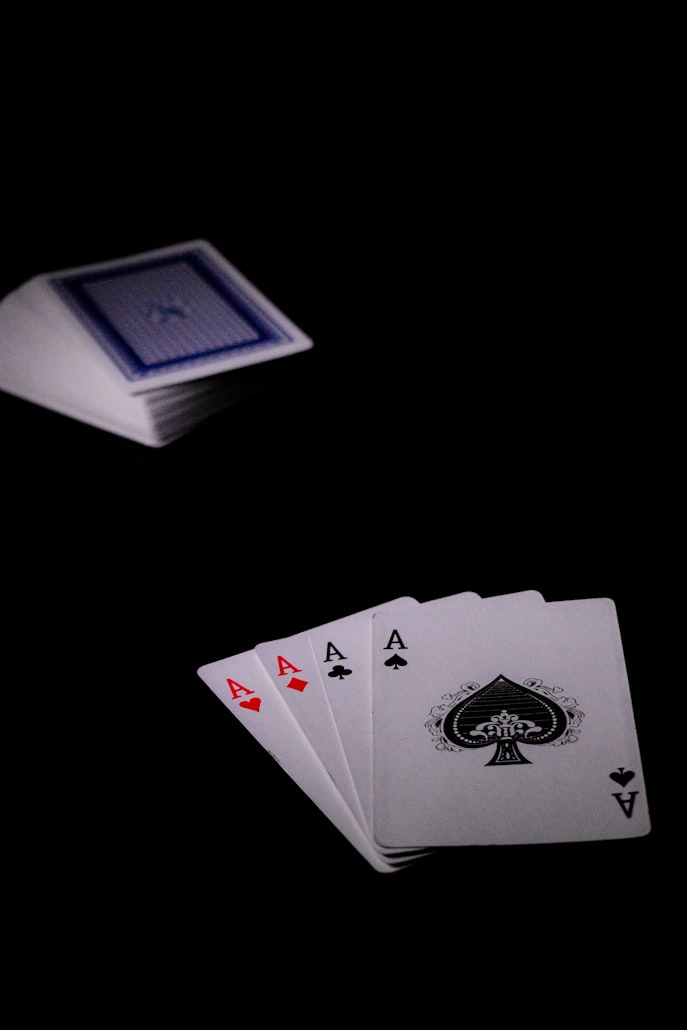
Furthermore, creating captivating focal points, such as elaborate chandeliers or grand displays, is essential for maintaining interest and excitement throughout the venue. These elements not only serve as visual anchors but also help in directing foot traffic toward key areas. A well-designed casino recognizes the importance of visual flows, ensuring that patrons are constantly stimulated and drawn deeper into the heart of the gaming experience.

The Role of Game Design in Player Psychology

Game design is a fundamental aspect of casinos that taps into player psychology to create enticing gaming experiences. Slot machines and table games are designed with specific features, such as engaging graphics, sound effects, and reward structures, to keep players hooked. These elements play on cognitive biases, such as the illusion of control, where players believe they can influence the outcome. This leads to prolonged engagement as players seek to replicate previous wins or overcome losing streaks.

Moreover, the use of variable rewards in game mechanics mimics psychological principles seen in gambling psychology. Players often encounter a blend of small wins interspersed with larger payouts, creating a cycle of hope and anticipation. This unpredictability keeps players returning, as they are often driven by the desire to hit that next big jackpot. Game designers leverage behavioral triggers like these to enhance the overall excitement and engagement of the gaming experience.

In addition, many casinos incorporate loyalty programs that play on the human need for social validation and achievement. By offering rewards, points, and recognition, casinos create an environment that fosters a sense of belonging and community among players. This not only encourages loyalty but also prompts individuals to return time and time again, seeking the affirmation and excitement that comes with participating in casino activities.

Strategic Use of Technology in Casinos

Technology has revolutionized the casino experience, significantly impacting the design and engagement strategies employed. From surveillance systems ensuring security to advanced software tracking player behavior, casinos utilize technology to enhance the overall experience. One notable innovation is the integration of mobile applications, allowing patrons to access information about games, promotions, and social events from their devices, thus enhancing their overall experience.
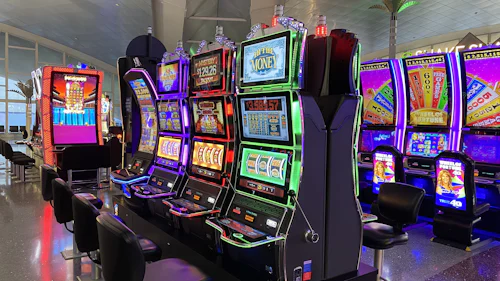
Additionally, many modern casinos employ interactive gaming technologies, such as virtual reality and augmented reality. These immersive experiences not only captivate players but also create memorable interactions that can influence their likelihood of returning. By integrating cutting-edge technology into the design, casinos can offer unique experiences that differentiate them from competitors, drawing in new visitors while retaining existing clientele.

Furthermore, data analytics is used to optimize every aspect of the casino experience, from marketing strategies to game offerings. By understanding customer preferences and behaviors, casinos can tailor their services to better meet the needs of their patrons, thereby enhancing satisfaction. The data-driven design allows casinos to create a personalized experience that resonates with players on a deeper level, resulting in increased engagement and loyalty.

Your Destination for Casino Insights

For those eager to learn more about the intricate psychology behind casino design, visiting dedicated platforms focused on gambling insights can be incredibly enriching. These websites provide invaluable resources, including expert articles, analytics, and discussions on the latest trends in the casino industry. Engaging with these platforms allows enthusiasts to delve deeper into how psychological elements influence the gaming experience.

Moreover, exploring such resources can offer a fresh perspective on the strategic decisions made by casinos in their marketing and operational approaches. Understanding these dynamics can enhance one’s appreciation for the world of casinos, revealing the complex interplay between design, psychology, and player behavior that drives the industry forward. It serves as an intriguing journey into the thought processes that shape such vibrant environments.

Whether you are a casual visitor or a serious gamer, gaining insights from these resources can inform your choices and enhance your overall experience. As the casino landscape continues to evolve, being informed about the underlying psychological aspects allows you to engage more thoughtfully and enjoyably with the thrilling world of gaming entertainment.

/** * The template for displaying the footer * * Contains the closing of the #content div and all content after. * * @link https://developer.wordpress.org/themes/basics/template-files/#template-partials * * @package WordPress * @subpackage Twenty_Twenty_One * @since Twenty Twenty-One 1.0 */ ?>